
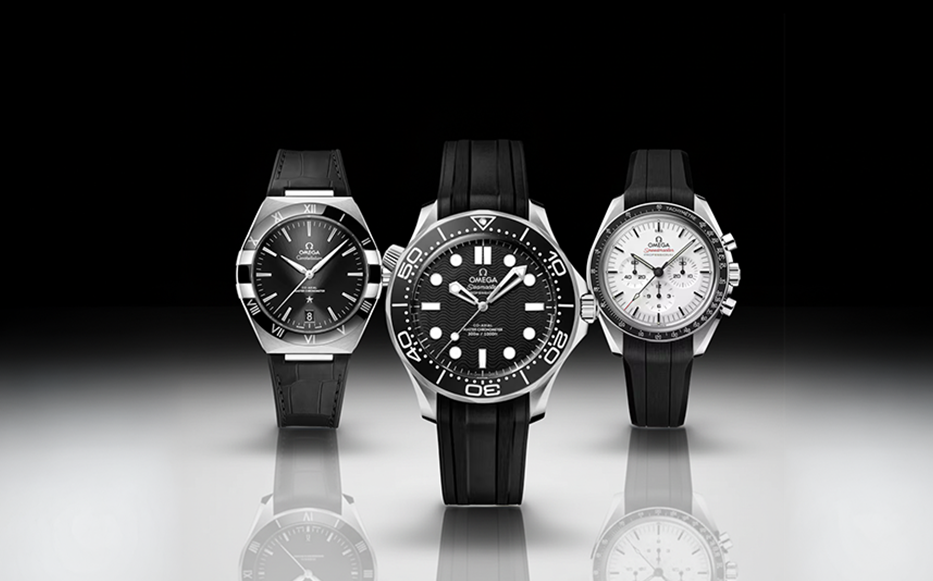
How to Spot a Fake Omega - Here’s a comprehensive guide to help you distinguish a genuine Omega from a counterfeit.
How to Spot a Fake Omega: A Comprehensive Guide
September 20, 2025
The allure of a luxury watch like an Omega makes it a prime target for counterfeiters. The market, unfortunately, has its share of convincing fakes, making vigilance paramount when considering a pre-owned Omega in India. While the ultimate verification should always come from a certified professional, knowing the tell-tale signs can empower you to perform an initial, crucial inspection.
Here’s a comprehensive guide to help you distinguish a genuine Omega from a counterfeit
The Serial Number: Your Watch’s Fingerprint: Every genuine Omega watch has a unique 7- or 8-digit serial number. Counterfeits often have no serial number, a poorly engraved one, or a generic, duplicated number.
Movement Inspection: The Heart of Authenticity: Most modern Omega mechanical watches feature the distinctive Co-Axial escapement. Genuine Omega movements are beautifully finished, and the second hand should have a smooth, sweeping motion.
Dial and Printing Quality: Examine the dial under magnification. The Omega logo, text, and minute track should be perfectly crisp, clean, and evenly applied. Any smudging or poor alignment are immediate signs of a fake.
Luminescence: Genuine Omegas use high-quality Super-LumiNova, which should glow brightly and evenly in the dark. Fakes often have weak, uneven, or non-existent lume.
Weight and Feel: An authentic Omega is crafted from high-quality materials and will feel substantial and solid. Counterfeits often feel light or cheap.
Caseback Engravings: Many Omega models feature specific, detailed engravings (e.g., the Seamaster hippocampus). These should be sharp and precise.
Crown and Pushers: The crown should operate smoothly and feature a finely engraved Omega logo. Chronograph pushers should feel crisp and responsive.
Crystal: Most modern Omegas use scratch-resistant sapphire crystal. A simple water droplet test can help verify this – it should bead up tightly.
“Box and Papers”: A complete set adds significant credibility. Always verify that the serial numbers on the papers match the watch.
Price (If It’s Too Good to Be True): If an Omega is being offered at a price significantly below market value, it’s almost certainly a fake.
The best defense against counterfeits is knowledge and purchasing from a reputable dealer who offers guarantees of authenticity and a transparent inspection process.
Secure Your Purchase
For a deeper dive into securing your luxury watch purchase, refer to our complete guide.
Read The Ultimate Omega Guide
Interested in a luxury watch?
Talk to our experts — free consultation.


